Find Beacon top Paving Contractor for Professional Pavement Services
Find Beacon top Paving Contractor for Professional Pavement Services
Blog Article
Paving Solutions: Upgrade Your Property With Professional Paving Services
Professional surfacing services offer considerable advantages for real estate enhancement. They not only improve aesthetics but also increase functionality. Choosing the right materials, such as asphalt or interlocking pavers, can guarantee durability and design. The installation process is critical for achieving durable results. Yet, many homeowners overlook essential maintenance practices that can extend the life of their investment. Understanding these elements is vital for informed decision-making about outdoor spaces. What comes next may astonish you.
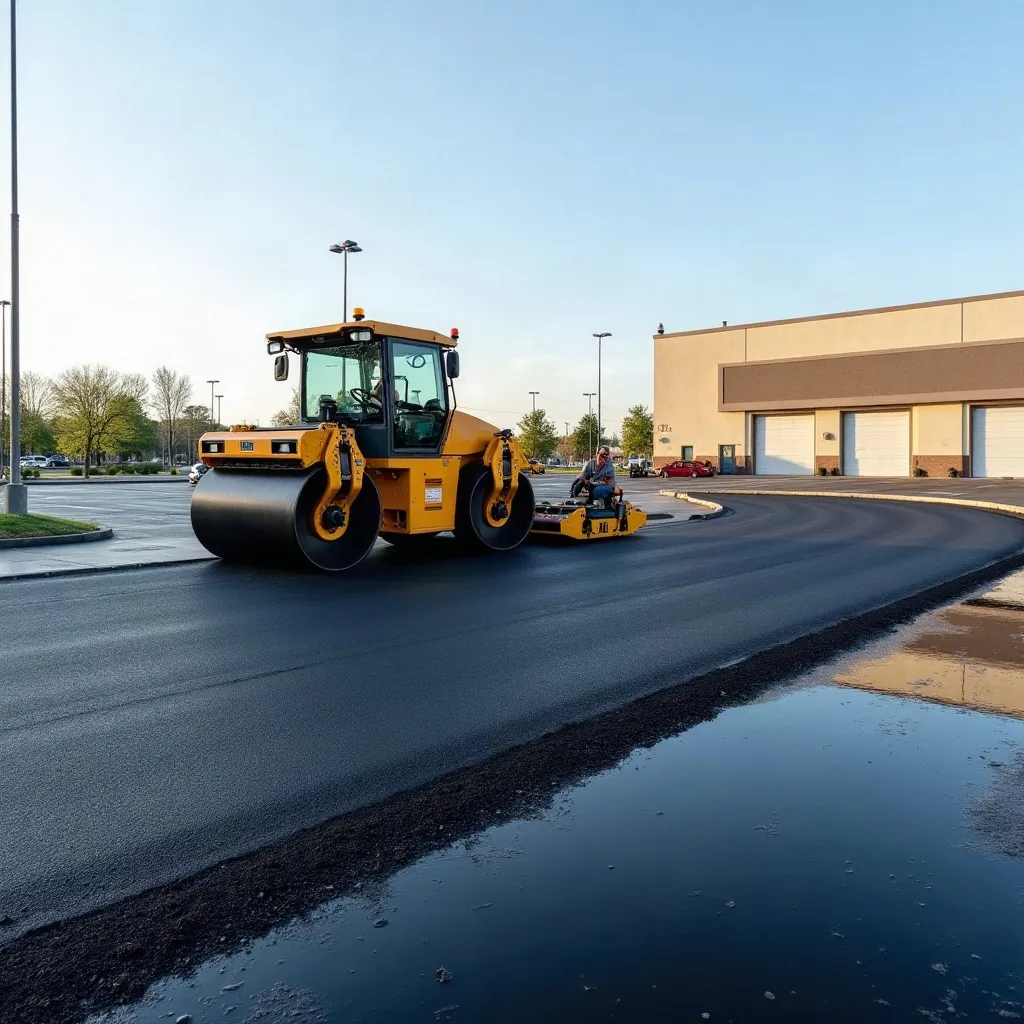
Professional Asphalt Solutions Transform Your Property
Professional paving solutions revitalize outdoor spaces, strengthening both functionality and appearance. By using professional methods and modern equipment, these services provide the meticulous preparation and installation of various pavement surfaces. This attention to detail results in resilient, enduring outcomes that resist degradation and damage while keeping visual appeal.
Furthermore, professional paving enhances property value, creating inviting pathways, vehicle access areas, and outdoor spaces that attract potential buyers. A well-paved area improves safety by reducing hazards like rough terrain and thick dirt, contributing to a more pleasant outdoor setting.
Additionally, seasoned experts can provide bespoke solutions tailored to personal tastes, ensuring that each project aligns with the property's distinctive style.
Pick the Top Paving Materials for Your Undertaking
In what ways can homeowners identify the most appropriate paving materials for their projects? Picking the correct material matters for functionality and visual appeal.
First, real estate holders should consider the exact function of the paved area. For driveways, durable materials like asphalt or concrete are often preferred due to their robustness and endurance. In contrast, for patios or walkways, alternatives including pavers or bricks can offer decorative charm and adaptability.
Next, environmental conditions plays a major factor. Regions with intense precipitation may profit from permeable materials that permit for better drainage, minimizing the risk of inundation.
Also, upkeep demands should be appraised; some materials call for more maintenance than others.
In the end, spending limits will sway the choice. While quality materials may entail a considerable initial cost, they typically yield long-term financial gains through strength and diminished maintenance expenses.
Consequently, thoughtful evaluation of these factors will guide property owners to make well-reasoned decisions.
Asphalt Paving Benefits
Asphalt surfacing is a top choice for homeowners looking for long-lasting and cost-effective solutions for their driveways and walkways. One of its primary benefits is its resilience; asphalt can withstand heavy traffic and severe weather conditions, making it ideal for residential use.
Moreover, asphalt is fairly inexpensive when set against other paving materials, permitting homeowners to get a top-tier appearance without straining their budget. The installation process is also quick, generally accomplished within a day, decreasing disruption to daily life.
In addition, asphalt is straightforward to maintain, demanding only routine sealing to extend its service life. These strengths make asphalt paving a practical and intelligent decision for boosting property aesthetics and functionality.
Interlocking Paver Benefits
For property owners exploring paving options, interlocking pavers provide distinct advantages that enhance both aesthetics and functionality.
These flexible pavers come in diverse shapes, colors, and textures, allowing for innovative design opportunities that can suit any property style. Additionally, interlocking pavers offer outstanding durability, withstanding cracking and shifting, which is particularly valuable in regions with fluctuating temperatures.
In addition, their specialized form fosters efficient water drainage, reducing the potential for overflow and terrain damage. This permeability also advances green practices by allowing rainwater to replenish groundwater supplies.
Finally, the ease of installation and maintenance makes interlocking pavers a practical choice, ensuring that homeowners can enjoy their beautiful surface without excessive upkeep.
Starting Site Survey
What elements impact the first site assessment for paving installation? Several important elements are considered during this critical stage. First, the topography of the land is examined to identify any slopes or drainage issues that could affect the paving process. Next, the existing soil conditions are reviewed, as different soil types can influence stability and durability. Additionally, site accessibility is taken into account to establish how equipment and materials will be moved. Local regulations and zoning laws are also reviewed to ensure compliance. Finally, existing structures and vegetation are assessed to account for any necessary removal or protection. This thorough evaluation establishes the basis for a successful paving project, ensuring that all potential challenges are addressed from the outset.
Setup Stages Broken Down
After a extensive site inspection has been completed, the paving laying operation can begin.
The preliminary stage encompasses location preparation, where any pre-existing debris are eliminated and the ground is leveled. Next, a lower layer is installed, typically featuring gravel or crushed stone, which delivers stability and drainage.
Next, the chosen surfacing option—such as asphalt or concrete—is laid down. This phase demands careful application to guarantee a smooth finish and correct positioning.
After the pavement layer is in place, it undergoes compaction to strengthen durability. Finally, the curing process starts, allowing the material to properly harden.
Throughout the procedure, clear dialogue with the property owner is crucial to address any concerns and assure contentment with the final result.
Paving Maintenance Tips for Durability
Despite asphalt areas being designed for long-lasting performance, consistent upkeep is essential to guarantee their extended life. Routine inspections must be performed to detect damage, deterioration, or surface degradation. Prompt repairs can avoid additional deterioration and prolong the durability of the pavement.
Moreover, maintaining the surface free of debris is important; debris, greenery, and dirt can trap moisture, leading to deterioration. Regular sweeping and occasional power washing help maintain a pristine appearance and functionality.
Applying sealant every few years can safeguard the surface from weathering and UV damage, while also boosting its cosmetic allure.
In conclusion, addressing drainage issues is significant. Well-designed drainage systems stop water pooling, which can weaken the paving material over time.
How to Locate a Credible Paving Contractor
Locating a dependable paving contractor is a vital step for property owners working to install or enhance their paving surfaces. To commence, individuals should request recommendations from acquaintances, loved ones, or neighboring enterprises that have in recent times completed paving projects. Online testimonials and feedback can also deliver insights into a contractor's reputation.
Once potential contractors are identified, it is crucial to confirm their qualifications, such as licenses and insurance. A professional builder should offer a comprehensive written quote that describes the scope of work, materials, and timeline.
Moreover, obtaining references from clients can help evaluating the contractor's dependability and caliber of work. resource It's equally recommended to inquire about warranties on workmanship and materials.
In conclusion, supporting open dialogue and honesty during initial consultations can foster a confident relationship, leading ultimately to a well-executed paving endeavor that meets expectations.
Commonly Asked Questions
What is the Timeline of a Standard Paving Project to Complete?
A standard asphalt project generally takes one to three days to finish, based on factors including the project's size, complexity, weather conditions, and prep work needed. Effective planning can assist in streamline the work effectively.
What Permits Do You Need for Paving Placement?
Generally, paving installation demands authorizations including local construction permits, zoning permits, and environmental assessments. Regulations vary depending on location, so speaking with community officials guarantees compliance with necessary legal requirements for the project.
Can Paving Occur in Winter or Rainy Seasons?
Paving can be difficult during winter or rainy seasons due to thermal and humidity issues. Cold weather can impede proper curing, while excessive rain may cause pavement problems, leading to potential long-term damage. Thoughtful preparation is crucial.
What Steps Ought to I Take if My Driveway Becomes Cracked?
If pavement cracks, the initial action is to assess the damage. Subsequently, clear the area completely, fill the fissures with suitable sealant, and think about expert services to prevent additional damage and maintain protection.
How can I confirm if my asphalt professional holds a license?
To determine if a paving contractor holds a license, one must authenticate credentials through local licensing boards, request a copy of their license, and look for insurance protection, guaranteeing compliance with industry regulations and safety standards.
Report this page